What Diabetic Nerve Pain Feels Like: A Guide to Symptoms
Last Updated: November 3, 2026
Quick Summary
Diabetic nerve pain rarely feels like one single thing; many people describe a mix of burning, tingling, and numbness all at once, while some feel sharp electric shocks at night and others feel nothing at all. Burning feet can feel like hot pavement even when barefoot on a cool floor, and these pains often get worse at night.
- Diabetic neuropathy symptoms usually start in the feet and toes, then move upward into the legs over time.
- Numbness is a loss of protective sensation and is the symptom most linked to foot ulcers.
- Symptoms often worsen when blood glucose runs high, during cold weather, after long standing, and at night.
- Check your feet daily for cuts, blisters, redness, or swelling, using a mirror for the soles.
- Never use heating pads or hot water bottles on numb feet, since you can burn yourself without feeling it.
Table of Contents
- Diabetic Nerve Pain: The Sensations You Might Feel
- Common Diabetic Neuropathy Symptoms and Where They Appear
- Diabetic Nerve Pain in Feet and Legs: Why It Happens
- Does Diabetic Neuropathy Come and Go? Understanding Symptom Flares
- Diabetic Neuropathy Treatment at Home: Practical Steps for Relief
- Red Flags and When to See a Doctor for Nerve Pain
- Book a Free Consultation to Discuss Your Nerve Pain
- Frequently Asked Questions
Diabetic Nerve Pain: The Sensations You Might Feel
If you have diabetes and your feet or hands feel strange, you are not imagining it. Diabetic nerve pain is real, common, and often misunderstood. Many people ask what diabetic nerve pain feels like.
Many people describe a mix of burning, tingling, and numbness all at once. Some feel sharp electric shocks at night. Others feel nothing at all, which can be just as dangerous.
Diabetic peripheral neuropathy is nerve damage caused by long-term high blood sugar (Diabetic Neuropathy). High blood glucose slowly harms the small nerve fibers that carry sensation from your feet and hands to your brain. The result is many feelings, from mild tingling to severe pain.
Below, we break down each sensation so you can recognize what you are feeling and know when to act.
Burning, Stabbing, and Shooting Pain
Burning pain is one of the most common descriptions. People say their feet feel like they are on hot pavement, even when they are barefoot on a cool floor.
Others describe stabbing pain, like a sudden pin jab. Shooting pain travels fast, often down a leg or into the toes. Some call it an electric-shock sensation.
These pains often get worse at night. A common mistake is to blame poor sleep or tired muscles. In practice, nerve pain tends to flare when you are resting and have nothing else to focus on.
Tingling, Pins and Needles, and Numbness
Tingling is often the first sign. It feels like pins and needles, the same feeling you get when your foot falls asleep. But with nerve damage, it does not always go away when you move.
Numbness is the loss of sensation. You may not feel a pebble in your shoe or notice that bath water is too hot. This reduced feeling is a serious problem. Without protective sensation, small foot injuries can turn into ulcers before you know it.
Pain and numbness can exist together. That sounds odd, but it happens because different nerve fibers are damaged in different ways.
Common Diabetic Neuropathy Symptoms and Where They Appear
Diabetic neuropathy symptoms usually start in the feet and toes, then move upward into the legs over time. Clinicians often describe this as a "stocking" distribution because it follows the shape of a sock.
What separates one person's nerve pain from another's is the quality of the sensation, not just its location.
- Burning, feet feel like they are on hot pavement or sun-warmed concrete, even when barefoot on a cool floor. Burning often intensifies at night under the bedsheets.
- Tingling or pins and needles, the same feeling you get when a foot falls asleep, except it does not fully resolve when you move. It may be constant or come in waves.
- Numbness or reduced feeling, you stop noticing a pebble in your shoe, a sock seam, or bath water that is too hot. Numbness is a loss of protective sensation and is the symptom most linked to foot ulcers.
- Sharp, stabbing, or shooting pain, a sudden pin jab, or a fast electric-shock sensation that travels down a leg or into the toes. These jolts often strike without warning.
- Touch-evoked pain (allodynia), even a bedsheet, a sock, or a light touch feels painful or raw. This is a hallmark of nerve sensitization.
- Aching or deep soreness, a dull, bone-deep ache in the feet or calves that is easy to mistake for muscle fatigue.
- Weakness or clumsiness, tripping, foot drop, or dropping objects as motor nerves are affected. Hand symptoms may show up as fumbling with buttons or keys.
- Loss of temperature sensation, you cannot reliably tell hot from cold with your feet, which raises burn and frostbite risk.
A common pattern is that pain and numbness coexist.
Symptoms in the hands and arms usually arrive after foot symptoms and tend to be milder at first. When they do appear, watch for clumsiness, tingling in the fingertips, and a weaker grip.
Because the query is about what the pain feels like, it helps to sort your own experience into two columns: sensations you can point to (burning, stabbing, tingling) and sensations you have lost (temperature, light touch, pain from a cut). Both matter, and both belong in a conversation with a clinician.
Watch out: numbness is not a harmless "quiet" version of nerve pain.
Here is how each common symptom of diabetic neuropathy typically feels, so you can match your own experience to a description.
| Symptom | What it feels like |
|---|---|
| Burning | Feet feel like they are on hot pavement, even when barefoot on a cool floor |
| Tingling or pins and needles | Like a foot falling asleep, but it does not fully resolve when you move |
| Numbness or reduced feeling | You stop noticing a pebble, a sock seam, or bath water that is too hot |
| Sharp, stabbing, or shooting pain | A sudden pin jab or fast electric-shock sensation traveling down a leg |
| Touch-evoked pain (allodynia) | Even a bedsheet, a sock, or a light touch feels painful or raw |
| Aching or deep soreness | A dull, bone-deep ache in the feet or calves |
| Weakness or clumsiness | Tripping, foot drop, or dropping objects as motor nerves are affected |
| Loss of temperature sensation | You cannot reliably tell hot from cold with your feet |
Diabetic Nerve Pain in Feet and Legs: Why It Happens
The feet and legs take the hit first for a simple reason: they have the longest nerves in the body.

Nerve fibers are grouped into three types. Sensory nerves carry feeling. Motor nerves control movement. Autonomic nerves manage automatic functions like digestion and blood pressure.
Diabetic nerve pain in feet is often a sensory nerve problem. Motor nerve damage can cause weakness, and autonomic nerve damage can cause other symptoms.
Poor circulation makes things worse. When blood flow to the feet drops, nerves get less oxygen and nutrients. This is why foot care and blood glucose control matter so much.
If you are waking up with foot pain, our guide on how to stop diabetic foot pain at night covers practical steps that help.
Does Diabetic Neuropathy Come and Go? Understanding Symptom Flares
Diabetic neuropathy symptoms can come and go, but the underlying nerve damage often persists. The distinction matters: flares are how damaged nerves behave day to day, while progression is the slower structural change underneath.
Flares tend to follow patterns. Symptoms often worsen when blood glucose runs high for a stretch, during cold weather, after long periods of standing, and at night when you are resting and have less to distract you.
Progression is not a straight line either. Early on, you may feel more pain as damaged nerves fire irregularly. Later, as nerve fibers lose function, pain can fade and numbness takes over.
Because symptoms shift, memory is unreliable. A simple symptom diary turns vague recollections into a pattern a clinician can act on. Record these fields for two to four weeks:
- Location, which toes, which part of the foot, one side or both, and whether it has spread upward.
- Sensation, use the words that fit: burning, stabbing, shooting, tingling, aching, numb, or painful to light touch.
- Timing, time of day, whether it wakes you, and how long an episode lasts.
- Triggers, blood glucose readings around the episode, cold, activity, footwear, or nothing identifiable.
- Changes, new weakness, new numbness, a wound you did not feel happen, or a shift from pain to numbness.
- Diabetes history, how long since diagnosis, your most recent A1C if you know it, and current medications.
Bring the diary to your appointment along with your feet uncovered and your shoes and socks off, so the exam is not delayed.
Diabetic Neuropathy Treatment at Home: Practical Steps for Relief
Home care will not reverse nerve damage, but it can ease symptoms and protect your feet. A common approach is to combine daily foot checks with steady blood sugar management.
Here is what we recommend focusing on:
- Check your feet daily. Look for cuts, blisters, redness, or swelling. Use a mirror for the soles.
- Control blood sugar. Steady glucose levels slow nerve damage better than anything else.
- Move gently. Walking and light activity support circulation. Avoid going barefoot.
- Try compression therapy. Air compression systems support circulation and comfort for many people. Our guide to understanding compression systems for everyday comfort explains how they work.
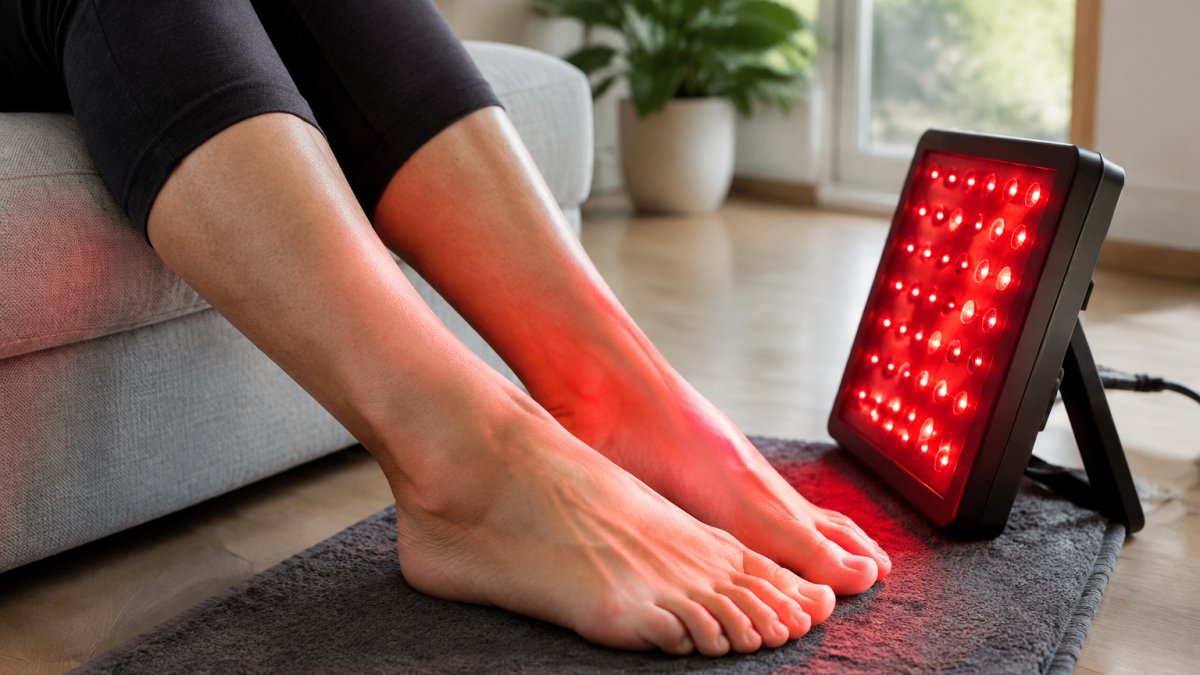
- Consider recovery devices. Some people explore tools designed to support foot circulation. We compare options in our list of the best devices for diabetic foot circulation.
Watch out: never use heating pads or hot water bottles on numb feet. You can burn yourself without feeling it.
Red Flags and When to See a Doctor for Nerve Pain
Some symptoms need medical attention right away. Do not wait for your next routine visit if you notice any of these:
- A cut, blister, or sore on your foot that is not healing
- Redness, warmth, or swelling that could signal infection
- Sudden numbness or weakness, especially on one side
- Pain that suddenly gets much worse
- Any black or dark tissue on a toe or foot
These can point to foot complications that need prompt care. Early treatment protects your feet and your mobility.
For general education, the CDC's diabetes and nerve damage overview explains how diabetes affects nerves over time. The National Institute of Diabetes and Digestive and Kidney Diseases also covers diagnosis and nerve examination basics.
Other causes can produce similar sensations, including vitamin deficiencies, thyroid problems, and certain medications. A proper diagnosis matters.
Book a Free Consultation to Discuss Your Nerve Pain
Nerve pain is easier to manage when you understand what you are feeling and act early. You do not have to guess your way through it alone.
At Precision Diabetes Hub, we offer education and wellness devices built for people managing diabetes-related nerve and circulation challenges. A consultation is a simple next step. You can book a circulation and recovery consultation with a nurse practitioner to talk through your symptoms and options.
Get started with Precision Diabetes Hub and take the first step toward daily comfort and better foot care.
Frequently Asked Questions
Does diabetic neuropathy come and go?
Yes, symptoms can fluctuate. Early on, you may notice tingling or burning that appears for a few days and then fades, especially when blood sugar runs high. Over time, the pain may become more constant. Flares are often linked to swings in blood glucose, prolonged standing, or wearing tight shoes. Keeping a symptom diary helps you spot patterns and discuss them with your doctor.
Can diabetic neuropathy cause burning or tingling at night?
It often does. Many people with diabetic nerve pain in feet report that burning, tingling, or electric-shock sensations get worse at night. Possible reasons include fewer everyday distractions and changes in blood flow when lying down. A light blanket, avoiding caffeine late in the day, and keeping blood sugar stable can help reduce nighttime flares.
When should you see a doctor about diabetic nerve pain?
See your doctor if you notice new numbness, burning, or tingling in your feet or hands, or if a cut, blister, or sore on your foot is slow to heal. Seek urgent care for a foot wound that is red, warm, or draining pus, or if you have sudden weakness or loss of sensation. Early detection of diabetic neuropathy symptoms allows for better management and reduces the risk of foot complications.
Can diabetic neuropathy be reversed?
For some people, steady blood sugar control may slow the progression of early nerve changes. Once nerve fibers are severely damaged, the changes are usually permanent. However, symptoms can still be managed with medication, home care, and lifestyle changes. Work with your healthcare team to set realistic goals and monitor your progress.